
Overview
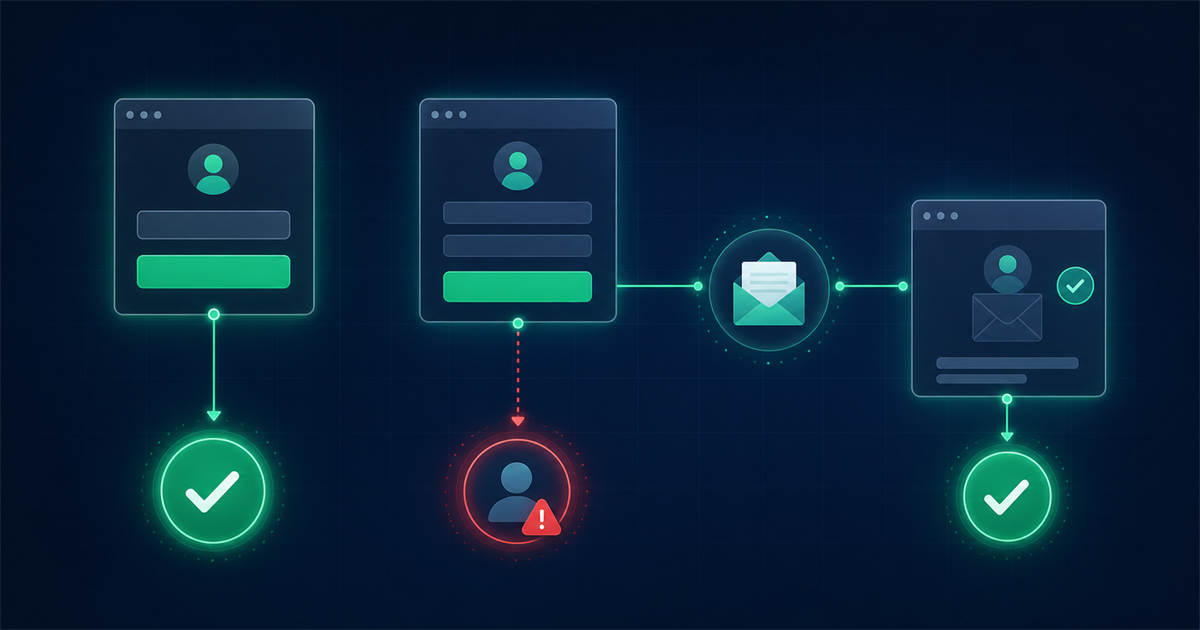
Single opt-in adds a subscriber to your list the moment they submit a form, while double opt-in sends a confirmation email first and only adds them once they click the link inside. The choice between the two shapes how fast your list grows, how clean it stays, and how well your emails land in the inbox.
This guide defines both methods plainly, weighs the pros and cons, and looks at the impact on list growth, list quality, and deliverability. It also covers GDPR and consent, when each approach fits best, and how verifying signups strengthens whichever route you pick.
What is single opt-in?
Single opt-in means a person becomes a subscriber as soon as they enter their address and submit your form, with no extra confirmation step. If someone types their email into a newsletter box on your homepage and clicks subscribe, they are on the list and will receive your next send.
The appeal is speed and simplicity. There is no second hurdle, so more of the people who start signing up actually finish. That lower friction is why many creators and stores default to it. The trade off is that whatever gets typed into the box goes onto your list, including typos, fake addresses, and the occasional bot submission.
What is double opt-in?
Double opt-in means a new signup is provisional until the person clicks a confirmation link you email to them, at which point they are fully subscribed. The flow has two steps: submit the form, then confirm from the inbox.
Because the subscriber has to open the confirmation email and click, you get proof that the address is real, that the inbox is reachable, and that the person genuinely wanted in. That confirmation click is a strong quality filter. The cost is that some people never confirm, whether from distraction, a confirmation landing in spam, or second thoughts, so your headline signup numbers come out lower.
How does each method affect list growth?
Single opt-in grows your visible list faster because every submission counts immediately, while double opt-in grows a smaller but more committed list. If your priority is raw subscriber count from a given amount of traffic, single opt-in will show a bigger number.
The catch is that a bigger number is not the same as a bigger audience. With single opt-in, part of that growth is dead weight: mistyped addresses, one time throwaway emails, and people who forgot they signed up. With double opt-in, the people who confirm are the ones who will open and click, so the list is smaller on paper but often more valuable per subscriber.
A useful way to frame it: single opt-in optimizes for the top of the funnel, double opt-in optimizes for engaged subscribers who stick around.
How does each method affect list quality and deliverability?
Double opt-in produces a cleaner list, which protects your deliverability, while single opt-in needs extra safeguards to avoid reputation damage. Mailbox providers like Gmail and Outlook watch how recipients react to your mail. High bounce rates, spam complaints, and dead addresses all push your sender reputation down, which then sends more of your legitimate mail to the spam folder.
Here is how the two compare on quality signals:
- Bounces: Double opt-in weeds out fake and mistyped addresses before the first campaign, so bounce rates stay low. Single opt-in can carry many invalid addresses unless you clean them.
- Spam traps: Confirmed subscribers rarely turn out to be traps. Unconfirmed single opt-in signups occasionally are, especially from public forms.
- Engagement: People who confirmed tend to open more, which tells providers your mail is wanted.
None of this means single opt-in is doomed. It means single opt-in lists need more active hygiene to reach the same deliverability that double opt-in gives you closer to for free.
What do GDPR and consent rules mean for opt-in choice?
Under GDPR you need a clear, freely given, and provable record of consent, and double opt-in makes that record much easier to demonstrate. The regulation does not name single or double opt-in specifically, but it does require that consent be unambiguous and that you can show how and when it was given.
With double opt-in, the confirmation click and its timestamp form a clean audit trail. If a recipient ever complains or a regulator asks, you can show the exact moment the person confirmed. With single opt-in you can still be compliant, but you must log the form submission, the timestamp, the IP address, and the exact wording of the consent checkbox, and you must avoid pre-ticked boxes.
A few practical rules that apply either way:
- Do not use pre-checked consent boxes. Consent has to be an active choice.
- Tell people what they are signing up for at the point of signup.
- Keep a dated record of consent for each subscriber.
- Make unsubscribing as easy as subscribing was.
If you operate in or market to the EU and UK, double opt-in reduces your compliance risk simply because the proof of consent is built into the flow.
When should I use single opt-in versus double opt-in?
Use single opt-in when signup friction is your main enemy, and use double opt-in when list quality, deliverability, and provable consent matter most. Neither is universally correct. The right pick depends on your audience, your market, and your tolerance for junk addresses.
Single opt-in tends to fit these cases:
- A lead magnet or discount where you want the maximum number of signups.
- An audience outside strict consent jurisdictions, paired with a plan to clean the list.
- A low volume list where you can manually watch for problems.
Double opt-in tends to fit these cases:
- You market to EU or UK contacts and want airtight consent records.
- You send high volumes and cannot afford deliverability damage.
- Your public forms attract bots or careless entries.
- You value a smaller, engaged audience over a large, noisy one.
How does verifying signups complement either choice?
Verifying an address at the moment of signup catches invalid and risky entries that both opt-in methods otherwise let through. Verification and opt-in are not rivals. They solve different problems and work best together.
Opt-in confirms intent. Verification confirms that the address itself is real and deliverable. A double opt-in flow still sends a confirmation email to a typo like jane@gmial.com, which bounces and does nothing for you. Checking the address first means you can catch the typo, prompt the user to fix it, and only then send the confirmation.
Adding a check with an email verification service at the point of capture gives you several wins:
- Fewer wasted confirmations: You stop mailing confirmation links to addresses that cannot receive them.
- Cleaner single opt-in lists: If you prefer the low friction of single opt-in, real time verification restores much of the quality you would otherwise get from a confirmation step.
- Lower bounce rates from day one: Invalid addresses never enter the list, so your first campaign starts clean.
- Better user experience: Catching a typo on the form lets the person correct it while they are still there.
In short, choose the opt-in style that fits your goals, then layer verification on top so the addresses you keep are both wanted and real.
Frequently asked questions
Is double opt-in required by GDPR?
No, GDPR does not explicitly require double opt-in. It requires that consent be clear, freely given, and provable. Double opt-in is popular for GDPR because the confirmation click creates an easy audit trail, but a well logged single opt-in with an unchecked consent box and stored timestamps can also comply.
Does double opt-in hurt my list growth?
Double opt-in lowers your headline subscriber count because some people never confirm, but the subscribers you keep are usually more engaged. Many senders find the smaller confirmed list outperforms a larger unconfirmed one on opens and clicks, which offsets the lower raw number.
Can I switch from single to double opt-in later?
Yes. You can turn on double opt-in for new signups at any time in most email platforms. For your existing single opt-in contacts, consider running a re-engagement or confirmation campaign and cleaning the list so you carry forward only valid, interested addresses.
Do I still need verification if I use double opt-in?
Verification still helps because it catches typos and invalid addresses before you send the confirmation email, saving wasted sends and improving the signup experience. Double opt-in proves intent, while verification proves the address is real and deliverable, so the two work best together.



Comments (0)
No comments yet. Be the first to share your thoughts!
Leave a Comment
Your email address will not be published. Required fields are marked *