
Overview
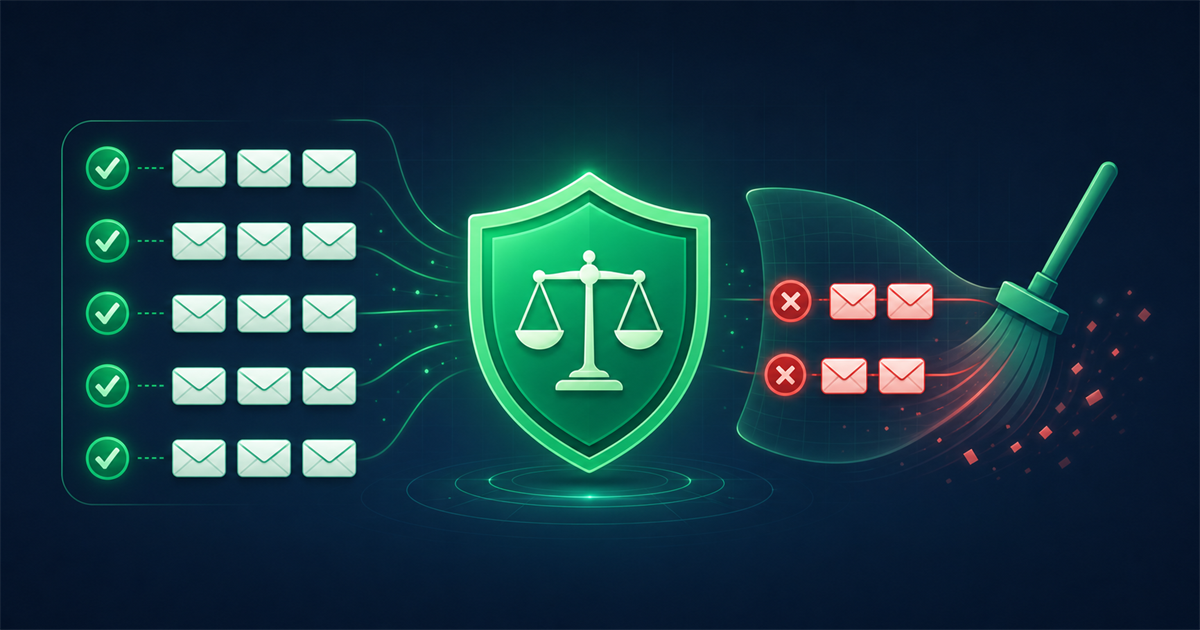
GDPR treats every email address as personal data, which means marketers have to justify why they hold each contact, keep the data accurate, and delete it when it is no longer needed. Regular list cleaning is one of the most practical ways to meet those duties while also protecting deliverability.
This guide covers the GDPR basics that matter for email: lawful basis and consent, data minimization, and the right to erasure. It then shows how routine list cleaning supports compliance and inbox placement, what to check when a verification vendor processes your data, and the records you should keep to prove you did things properly.
What are the GDPR basics every email marketer should know?
GDPR requires that you have a valid legal reason to hold and use each contact's data, that you collect only what you need, and that you let people access or delete their information. For email marketing, three principles do most of the heavy lifting.
Lawful basis and consent
You need a lawful basis to email someone, and for marketing the two common ones are consent and legitimate interest. Consent means the person actively agreed, through an unchecked box and clear wording, to receive your emails. Legitimate interest can apply to some B2B outreach, but you must document why your interest does not override the person's rights and the message must be relevant to their role.
Whichever basis you use, it must be established at the point of collection, not invented later. Pre-ticked boxes, buried terms, and bundled consent do not count.
Data minimization
Data minimization means you should only collect and keep the personal data you actually need. If a newsletter signup only requires an email address, do not demand a phone number and a home address as well. Holding extra data you never use increases your risk and your cleanup burden without any benefit.
The right to erasure
People have the right to ask you to delete their personal data, often called the right to be forgotten. When someone unsubscribes and asks to be erased, or when you no longer have a lawful reason to keep them, you must remove their data promptly and be able to confirm you did. This is where a tidy, well organized list makes compliance far easier.
How does list cleaning support GDPR compliance?
Regular list cleaning directly supports the GDPR duties of accuracy, minimization, and storage limitation by removing data you no longer have a reason to keep. GDPR expects personal data to be accurate and kept no longer than necessary, and a stale list quietly breaks both expectations.
Cleaning helps in concrete ways:
- Accuracy: Removing invalid, mistyped, and long dead addresses keeps your records accurate, which is an explicit GDPR principle.
- Storage limitation: Purging contacts who never engage and have no lawful basis to remain respects the rule that you should not hold data indefinitely.
- Minimization in practice: A leaner list means you process fewer people's data, which lowers your exposure if anything ever goes wrong.
- Honoring erasure: A clean, structured list makes it straightforward to find and delete a specific person when they ask.
In other words, cleaning is not just a deliverability chore. It is a routine that keeps your data holdings honest and defensible.
How does list cleaning improve deliverability at the same time?
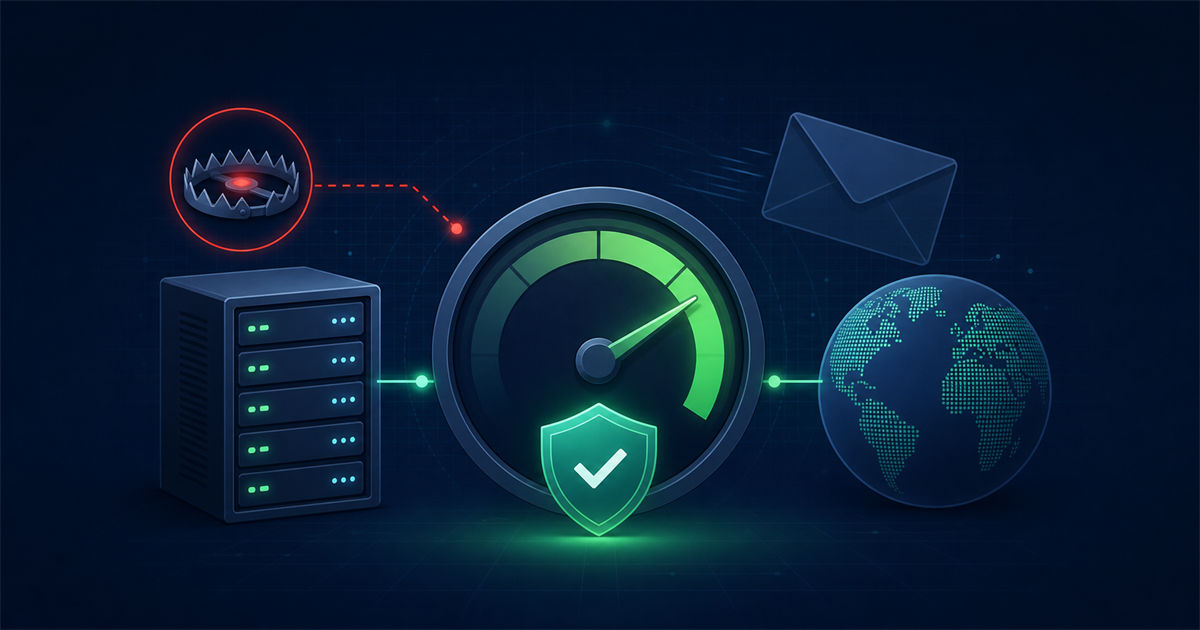
Removing invalid and disengaged addresses lowers bounces and spam complaints, which protects your sender reputation and gets more mail into the inbox. Compliance and deliverability improve together, so the same cleaning routine pays off twice.
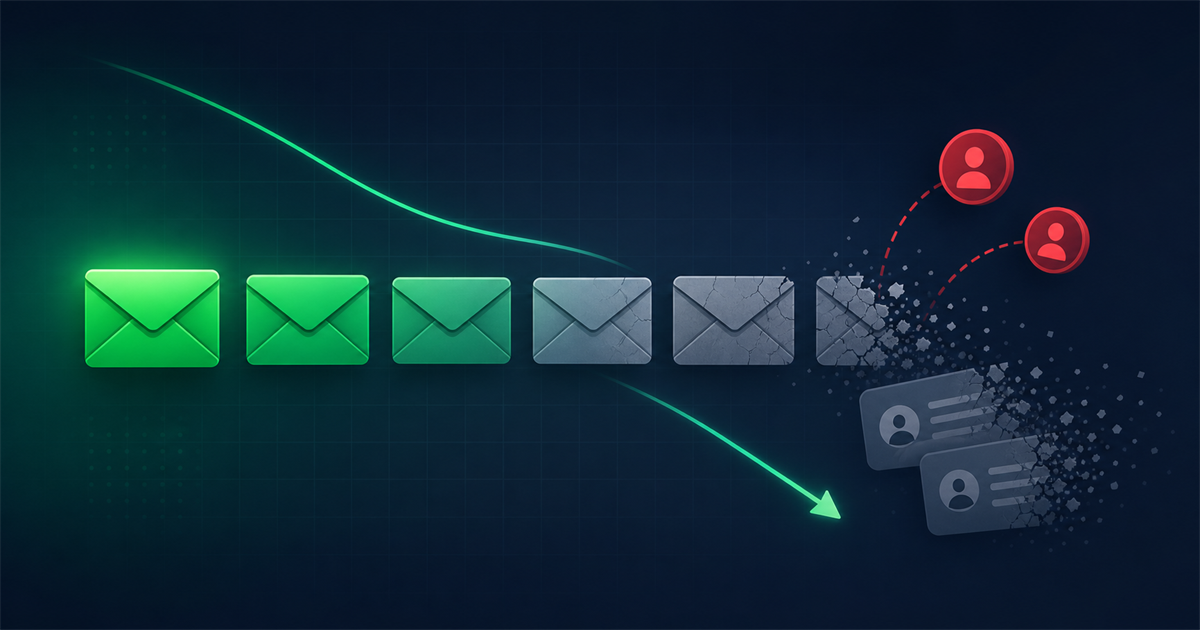
Mailbox providers judge your reputation on signals like bounce rate, complaint rate, and engagement. A list full of dead addresses drives bounces up and engagement down, and providers respond by filtering more of your mail to spam. Cleaning reverses that:
- Fewer hard bounces: Verifying and removing invalid addresses before sending keeps bounce rates low.
- Fewer spam traps hit: Old recycled addresses can become traps, and cleaning catches many of them.
- Stronger engagement rates: A list of real, interested people opens and clicks more, which tells providers your mail is wanted.
Running a list through a bulk email verification tool before a big campaign flags the invalid, risky, and role based addresses so you can remove or segment them. That single step both trims data you should not keep and protects your inbox placement.
What should I check when a verification vendor processes my data?
When you send your list to a verification vendor, that vendor becomes a data processor under GDPR, so you need a data processing agreement and clarity on how they handle the data. You remain the data controller and are responsible for choosing a vendor that meets the standard.
Before uploading a list to any verification service, check the following:
- Data processing agreement: There should be a written DPA setting out that the vendor processes your data only on your instructions.
- Data location: Know where servers are located, since transfers outside the EU and UK need appropriate safeguards.
- Retention and deletion: Confirm how long the vendor keeps your uploaded list and that it deletes the data after processing rather than retaining or reusing it.
- No resale or reuse: The vendor should never sell, share, or add your contacts to its own database.
- Security measures: Look for encryption in transit and at rest and sensible access controls.
- Subprocessors: Understand whether the vendor uses other companies to process your data and whether they are held to the same standard.
A trustworthy verification provider will document these points openly. If a vendor cannot tell you where your data goes or how long it stays, that is a reason to look elsewhere.
What records should I keep to prove compliance?
You should keep dated records of how each contact consented, what data you hold and why, and the actions you take such as cleaning and deletions. GDPR is built on accountability, which means you have to be able to show your working, not just assert that you complied.
Keep the following in a form you can produce on request:
- Consent records: For each subscriber, log the date, the source, the exact consent wording, and where possible the IP address of the signup.
- Lawful basis notes: If you rely on legitimate interest, keep the assessment that explains why.
- Processing activities: Maintain a simple record of what personal data you hold, why, where it is stored, and who you share it with.
- Vendor agreements: Store the DPAs with your email platform and your verification provider.
- Cleaning and deletion logs: Note when you cleaned the list, what was removed, and when you actioned erasure requests.
- Unsubscribe handling: Keep evidence that opt outs are honored promptly.
These records do double duty. They satisfy the accountability principle, and they give you a clear operational history so you always know the state of your list.
A simple list hygiene routine
You do not need a complicated system, just a regular rhythm. A workable routine looks like this:
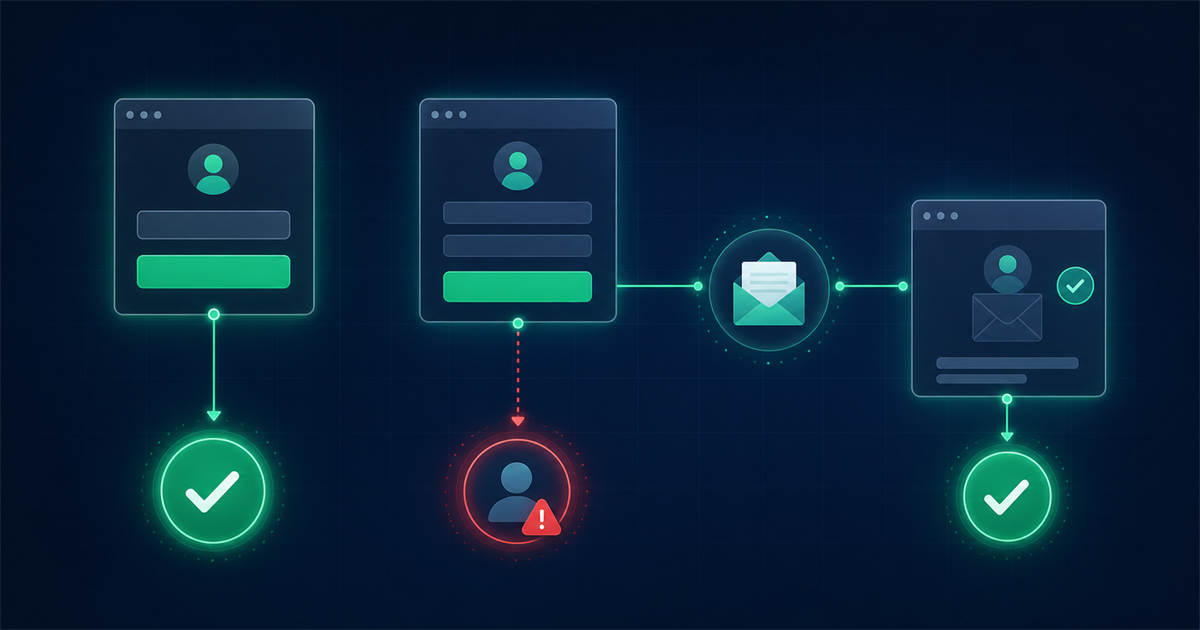
- Verify new signups at the point of capture so bad addresses never enter the list.
- Run a full list verification before every major campaign or at least quarterly.
- Segment out contacts who have not engaged in a set period and try a re-engagement message.
- Remove or suppress contacts who stay unengaged and have no lawful basis to remain.
- Action every unsubscribe and erasure request quickly, and log it.
Done consistently, this keeps your list both compliant and high performing without a scramble before each send.
Frequently asked questions
Does GDPR require me to clean my email list?
GDPR does not name list cleaning specifically, but it requires personal data to be accurate and kept no longer than necessary. Regular cleaning is the practical way to meet those duties, since it removes inaccurate and outdated contacts and reduces how much data you hold.
Is using an email verification vendor GDPR compliant?
Using a verification vendor can be fully compliant as long as you have a data processing agreement, the vendor processes your data only on your instructions, and it deletes the data after processing without reusing or selling it. You stay the data controller and are responsible for choosing a vendor that meets these terms.
How often should I clean my email list?
A good baseline is to verify new signups as they arrive and run a full list clean before every major campaign or at least once a quarter. High volume senders may clean more often. The goal is to remove invalid and disengaged contacts before they cause bounces or breach the storage limitation principle.
What records do I need to prove email consent?
Keep dated records showing how and when each person consented, including the source, the exact consent wording, and ideally the signup IP address. If you rely on legitimate interest instead of consent, keep the assessment that justifies it. These records satisfy the GDPR accountability principle.
Comments (0)
No comments yet. Be the first to share your thoughts!
Leave a Comment
Your email address will not be published. Required fields are marked *